We all read the articles – some of us more than others – about how recruiters take 30 seconds or less to review a resume, making a snap decision about whether or not to delve in further and actually recommend someone for a job. One came across my email just this morning, “A top recruiter on what anyone can see after 30 seconds with your resume,” by Ambra Benjamin.
Ms. Benjamin echoed what others have written, with her own take on the matter and a very readable article, giving advice like including keywords but not “stuffing” your resume with them, showing a career progression and minding the gaps. Armed with her and other key advice, it should be easy to know how to put a simple two pages together, right?
So why is it that so many of us sit at our desks, writing away, deleting, rewriting and generally getting stuck on where to start, where to end and what to put in the middle? A friend recently suggested that the only way he could revise his resume on his own was to start with a blank piece of paper and try to imagine each role in his head, without worry about names, dates and details. While this might work for some, a blank page is an even greater source of anxiety and writer’s block for the majority of us, even those who call ourselves writers.
Getting a resume professionally written is another option, of course, although if you don’t choose a high end writer who really takes the time to get to know you and has an understanding of your field, combined with a feel for resume writing and knowledge of the career marketplace, your resume can come out stale, miss the mark or, worse yet, sound like every other candidate on the block. (Full disclosure: I do offer high-end, personalized services and can work with you to improve your clarity in thinking and writing, prepare you for interviews and generally ease this frustrating process.)
For those who are stuck and cannot entice the resume muses to give up their secrets, here is a five-point plan to help cure the craziness:

1) Identify and focus on your target market. Who is your audience? What do they want to know about you? We tend to internalize and think about our resumes as an exercise in self-reflection. They are, but not to the point of self-indulgence. The very practical, immediate purpose of such self-reflection is to create a marketing document that communicates a narrative of our professional lives to others. To do that, take the attention off yourself and put it on your reader.
2) Take a current version of your resume, and cross off everything that doesn’t matter. Many of the resumes I read, especially ones from high-achieving candidates, are overloaded with information. If you follow my posts, you know that I have written about this. Emphasize the experience and skills that will make you the top candidate for the job you are looking for, which are also generally the ones that are the most important, complex parts of your job.
3) List your accomplishments. What did you accomplish in each role that went beyond showing up and doing what “anyone else in that same job could do”? Weave your accomplishments into the discussion of each job. Get specific, while still giving an overall picture of the role. Also, don’t forget that numbers are your friend. If you can quantify something, and it makes sense to do so, then include that information and be ready to talk about it in an interview.
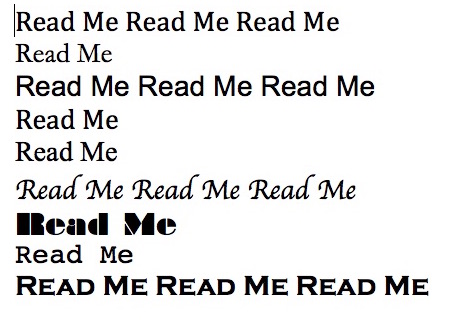
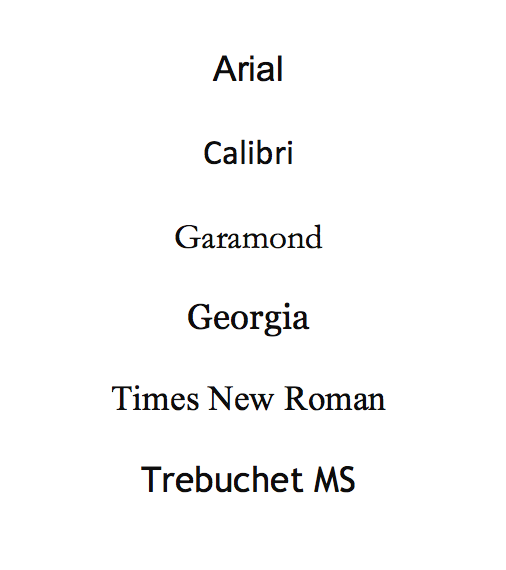
4) Use a modern format. If you haven’t updated your resume for ten years, do your research to understand what modern resumes in your industry look like. If you are in a creative role, you can stand out with a creative format. If you are in a more conservative industry, stand out with substance, not form. In either case, don’t just dust off the old version and add new information. It’s like sporting an old suit that’s gone out of style.
Even if you are in the top 1% of candidates, don’t be fooled into thinking that you “don’t need a great resume” because “your experience speaks for itself.”
Stop and consider: who are you competing against for the same role?
5) Check LinkedIn and other online sources about yourself. As Ms. Benjamin noted, recruiters scour the web to make sure your presentation about yourself is accurate and consistent across your resume and other sources. If your online materials are detracting – obnoxious, needy, overly political and the like – this information will become part of the portfolio for your candidacy. Match your resume to LinkedIn and other sources, so you tell a consistent story, and take the same care to present yourself online as you do in your offline written documents. Also, take a fresh look at what you have already posted on LinkedIn. Sometimes, there is inspiration from a lingering, helpful “prior version” of yourself that can recharge your resume writing.
Using the five-step plan, you will be much closer to starting and finishing a resume that jumps off the page and says HIRE ME.
As a final point (and echoing #1 above), remember that while your resume is all about you, more importantly, it is also about what you can do for the employer in your target role. As children, we are loved for being cute, funny, special or just who we are. As job candidates, we are there to solve problems. What problems do you solve and how can you convince your readers – the recruiter, hiring manager, etc. – that they should choose you?
Anne Marie Segal is a career coach and resume writer. You can find her website at segalcoaching.com. This article originally appeared on LinkedInPulse.
 Segal Coaching LLC